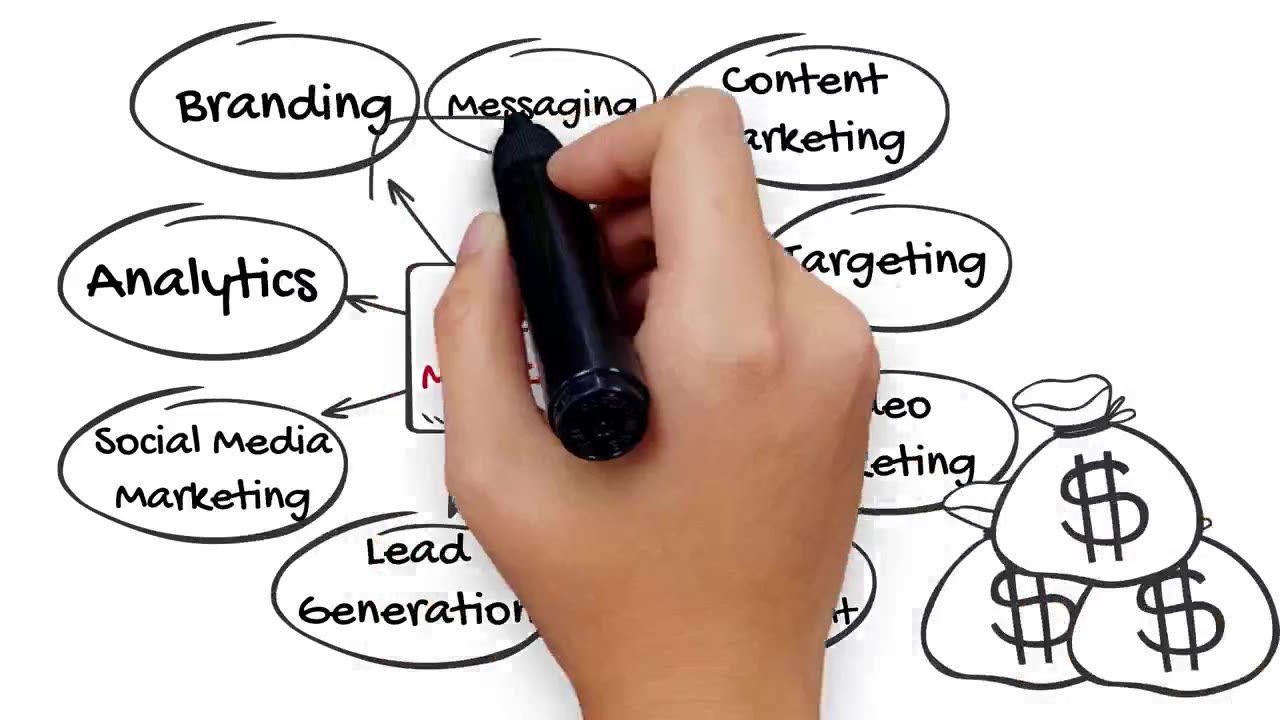
What is a media kit, and what should a MedTech company put in it?
A media kit gives editors, partners and investors everything they need to write about you correctly. For a device company, it also keeps every description of your product inside your clearance.
- Topic
- Social media and PR
- Written by
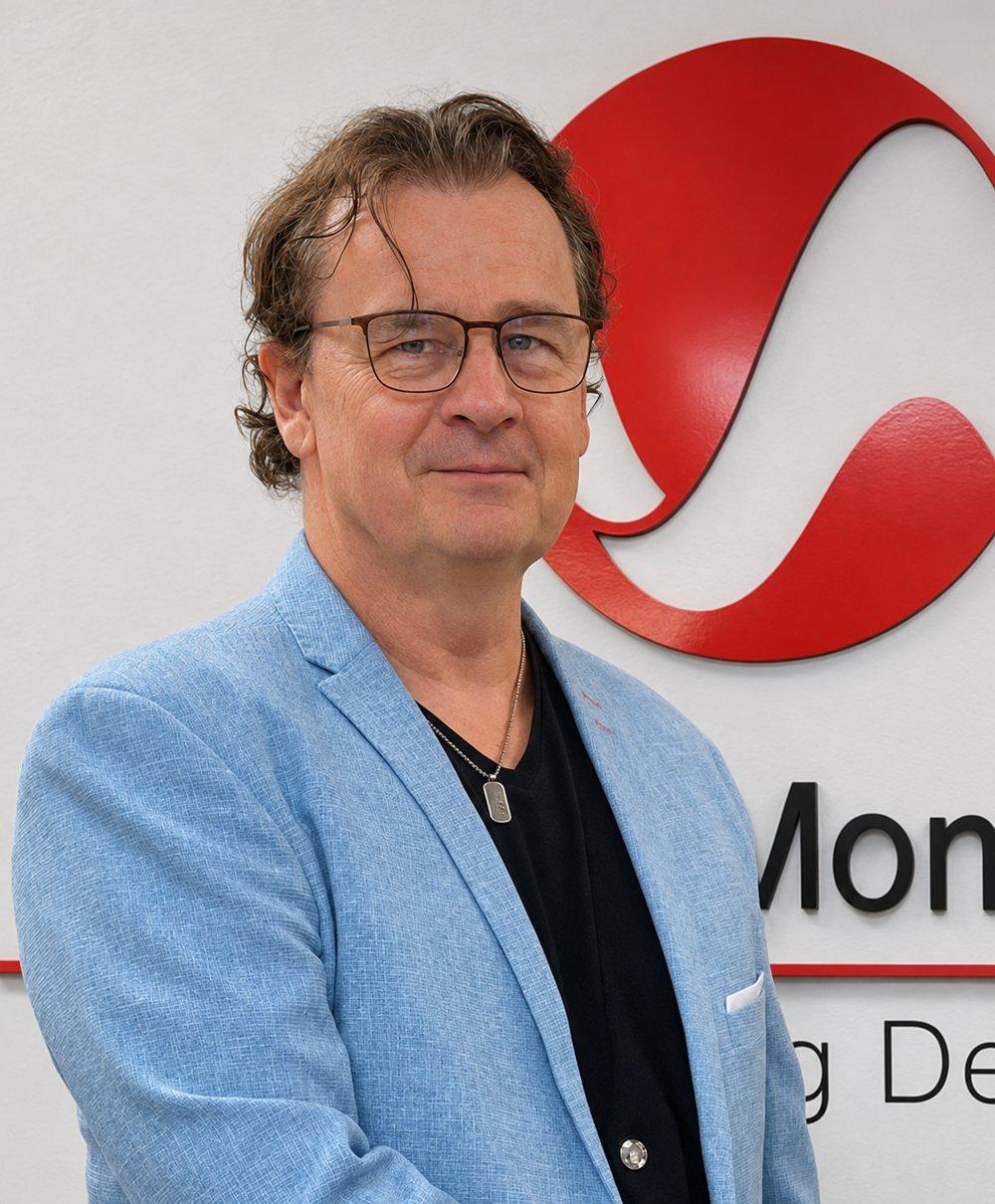 Guillaume Viallaneix
Founder and President, MedTech Momentum- Revision history
- APublishedBRewritten and updated
- Reading time
- 4 minutes
- Share

A media kit is a package of ready to use information about your company for journalists, editors, conference organizers, partners and investors. It usually includes a company overview, leadership bios and photos, product fact sheets, logos and images, recent news and a press contact. For a MedTech company, it also gives everyone the approved way to describe your device, so what they publish stays accurate.
I first wrote this post in 2024 around a fictional CEO. This version sticks to what goes in the kit and when you need it.
Who uses a media kit?
Editors and reporters use it to check facts and find images when they write about you. Conference organizers use it to introduce your speakers. Distributors and partners use it in their own material, and investors use it to understand the company before a meeting. Each of them would otherwise copy whatever they find online, which may be out of date or wrong.
What should a MedTech media kit include?
Start with a one page company overview: what you make, for whom, where you are, when you were founded and the key facts that are approved for public use. Add short bios and high resolution photos of your leadership. Include a fact sheet for each product with its regulatory status and cleared or approved indications in plain words. Then your logos in the main file formats, real photos of your products, plant or team, your recent press releases and coverage, and a named press contact with an email and phone number.
Keep every claim in the kit inside your clearance and your evidence. Editors will quote it, often word for word.
Should a media kit be a PDF or a web page?
Both. A press page on your website, with the overview, bios, fact sheets and downloadable images, is easy to find and easy to keep current. A PDF version is useful to attach to an email or hand out at a congress. Update both every time something important changes, such as a new clearance, a funding round or a new executive.
What makes a media kit easy to use?
Write it for someone in a hurry. Put an approved “about the company” paragraph at the top that an editor can paste as it is. Name image files so they make sense on their own, add a caption and photo credit for each one, and offer them in a size that prints well. State each product’s regulatory status in one plain line, and give the date the kit was last updated. A kit that takes five minutes to use gets used. One that takes an hour sends the editor back to a search engine.
When does a MedTech company need a media kit?
Before your first big announcement, and then always. The usual moments are an FDA clearance, a product launch, a funding round, an acquisition and a major congress where you will exhibit or speak. Having the kit ready before the press release goes out means every editor who picks up the story can get your facts and images right away. Then carry the same news to buyers through LinkedIn.
Our PR team writes press releases and builds media kits for device companies and manufacturers. You can see recent client announcements on our news page.
Questions I get about media kits
What is the difference between a media kit and a press kit?
The terms are mostly used for the same thing. Some companies use press kit for material aimed at journalists and media kit for a wider audience, including partners and advertisers.
How long should a media kit be?
Short. A one page overview, short bios and one page per product is enough. Editors want facts and images they can use quickly.
Who should approve the media kit?
Leadership for the company facts and bios, and your regulatory team for anything that describes a product or makes a claim.
Where to go from here
I spent 14 years on the OEM side, launching and building two MedTech companies, before I started MedTech Momentum in Orlando in 2014.