Medical device marketing plan: seven steps, always in the same order
Most plans fail because they start in the middle, with a website or an ad campaign. These seven steps build on each other, so every piece of work has something solid underneath it.
- Topic
- Marketing plans
- Written by
 Guillaume Viallaneix
Founder and President, MedTech Momentum- Revision history
- APublishedBRewritten and updated
- Reading time
- 6 minutes
- Share
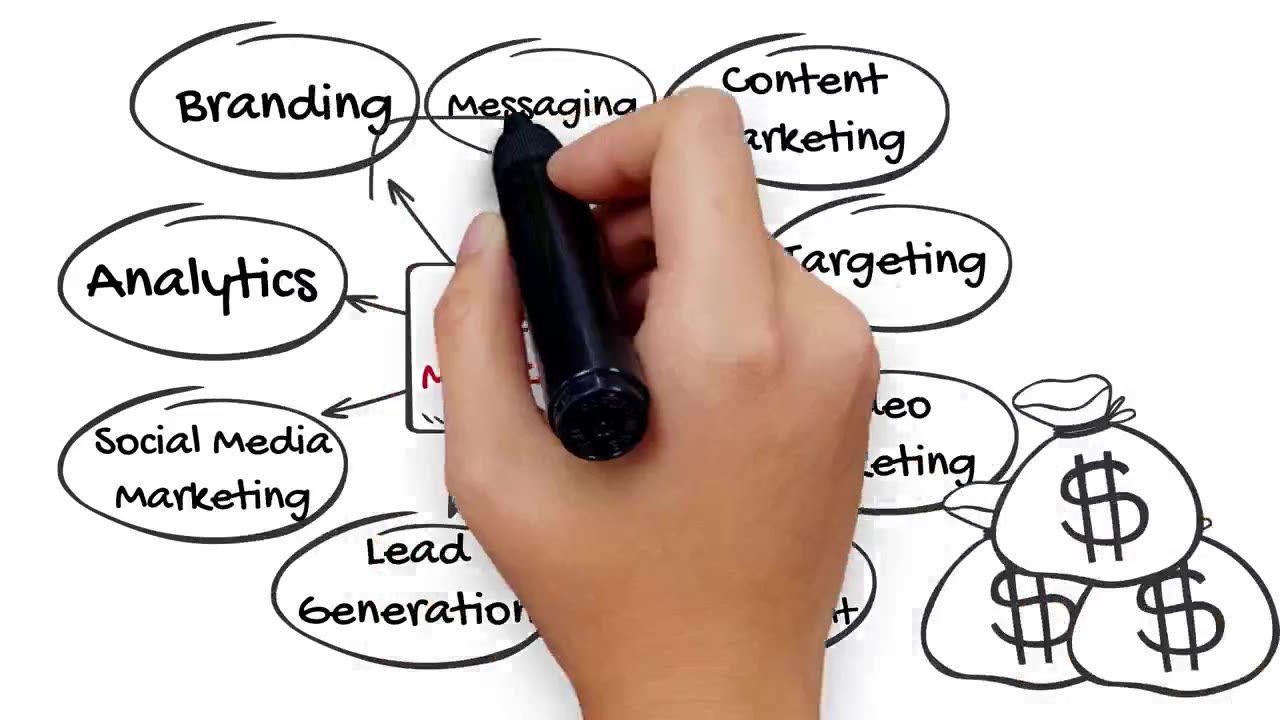
A medical device marketing plan turns your strategy into work: who does what, in which order, by when and with what budget. The order matters most. We built our MT-7 Framework for Growth in 2016 around seven steps that always run in the same sequence, because each one depends on the one before it.
This post replaces my 2024 roadmap for MT-7. If you have not settled your strategy yet, start with the five decisions behind a medical device marketing strategy, then come back to the plan.
Why does the order of a marketing plan matter?
Companies often start with the most visible project: a new website, a new logo or an ad campaign. Without a defined buyer and a settled message, those projects get rebuilt once the real decisions are made. Running the steps in order costs less, because nothing has to be redone.
Step 1: Who is the buyer?
Write a profile for each buyer that matters: their role, their goals, the problems in their way and where they look for answers. A device company might write one for the surgeon, one for the hospital committee and one for the distributor. A manufacturer writes them for the OEM engineer, sourcing manager and quality lead. Share them across sales and marketing, so everyone is writing to the same people.
Step 2: What is the message?
Turn the profiles into a message each buyer can repeat: their problem, your role as the guide and the proof. Check every claim against your clearance and your evidence at this stage, before anything gets designed. I cover the method in healthcare storytelling for MedTech.
Step 3: What does the brand look like?
With the message settled, build or refresh the identity and write it down in a brand guide, so every piece looks and sounds the same. The order for that work is in five steps to a medical device brand strategy.
Step 4: What content do buyers need?
List the questions each buyer asks on the way to a decision, and plan content that answers them: website pages, guides, case studies, video and sales material. Each piece should name the buyer it is for and the next step it leads to.
Step 5: How do the platforms work together?
Your website is the hub. LinkedIn, email, trade shows and PR all point back to it, and it has to turn visitors into conversations with a clear call to action on every page. This is where a website built for your buyers pays off.
Step 6: How will you generate leads?
Now turn on the channels that reach named accounts: outreach by email and LinkedIn, ads, trade show meetings and search. Every channel uses the profiles, the message and the content from the steps before. Our lead generation program runs this step.
Step 7: How will you measure and improve?
Track the measures that connect to revenue: conversations with target accounts, meetings, evaluations and opportunities. Review them on fixed dates, keep what works and change what does not. Then go back to step 1 at least once a year, because buyers and markets change.
Who should own each step?
Leadership owns steps 1 and 2. The CEO and the head of sales have to agree on the buyers and the message, or the rest of the plan gets argued over piece by piece. Marketing owns steps 3 to 6, whether that is an internal team, an agency or both. Step 7 belongs to everyone: sales reports which conversations turned into opportunities, and marketing reports what produced them. For a lean device company, an outsourced marketing department can carry steps 3 to 7 while leadership keeps the first two.
What does a medical device marketing plan look like on paper?
One calendar for the year, split into quarters, with an owner, a date and a budget line for each piece of work, and the review dates already in it. For a product launch, break the year into stages that each end with something your team can use. Our product launch plans follow that shape. You can also download the MT-7 brochure (PDF) for the seven steps on one page.
If you want help turning your strategy into a plan, book a strategy call. Bring what you have, and I will tell you where I would start.
Questions I get about marketing plans
How far ahead should a medical device marketing plan go?
Plan the year in detail by quarter, and look further ahead for anything with a long lead time, such as a congress booth or a launch tied to a clearance date. Review the plan every quarter.
How should we set the marketing budget?
Start from the plan. Price each piece of work and each channel, then decide what to do first if the total is more than you can spend. A budget set before the plan usually gets spent on the most visible projects.
We already have a website and a logo. Do we start at step 1?
Yes, but quickly. Check that your buyer profiles and message still hold. If they do, keep what works and move on to the step where the gaps are.
Where to go from here
I spent 14 years on the OEM side, launching and building two MedTech companies, before I started MedTech Momentum in Orlando in 2014.