Medical device marketing: how to reach everyone who has a say in the purchase
A device gets bought when several people agree: the clinician who wants it, the hospital team that approves it and the people who sign the contract. Here is how I would market to all of them, inside the rules.
- Topic
- Marketing plans
- Written by
 Guillaume Viallaneix
Founder and President, MedTech Momentum- Revision history
- APublished
- Reading time
- 6 minutes
- Share
Medical device marketing is the work of getting a device chosen, approved and used by the people who decide. For most devices that means the clinicians who use it, the hospital team that reviews new products, purchasing, and often a distributor in between. All of it runs under FDA and FTC rules on what you are allowed to claim.
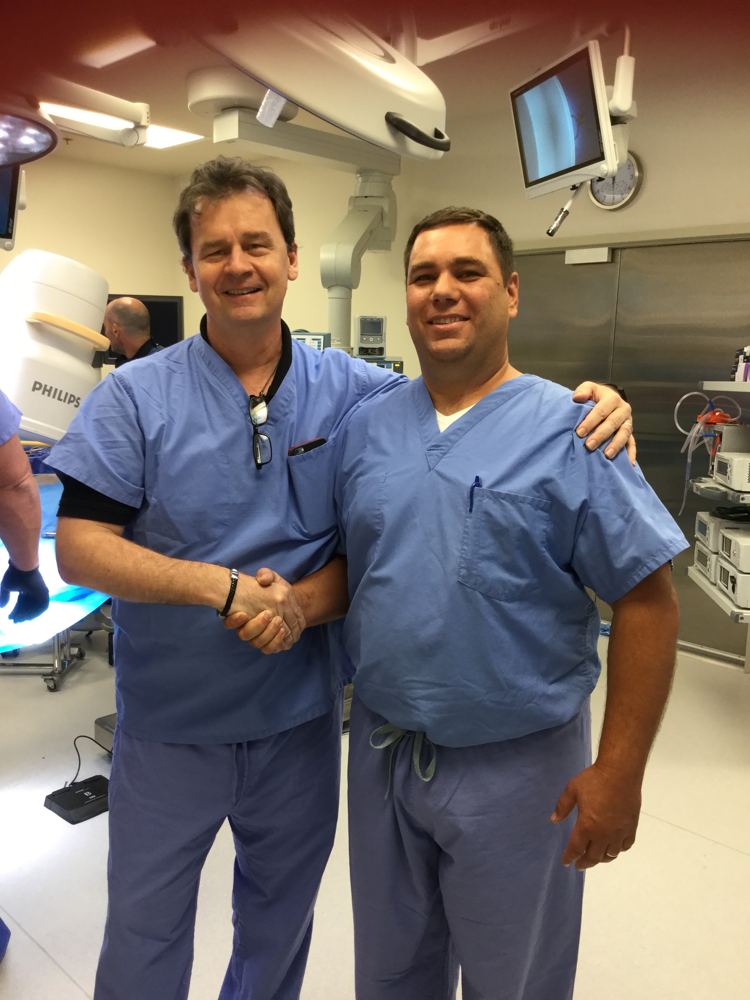
I learned this on the device side before I ever ran an agency. In 2000 I launched Scient’x USA, the US subsidiary of a French spine company. We took 27 technologies through FDA 510(k) clearance and signed 70 US distributors in 18 months. Since 2014, my team at MedTech Momentum has worked with 190 healthcare companies. This guide is what I tell a device CEO before the first marketing dollar is spent.
What makes medical device marketing different?
Your clearance decides what you can say. A device cleared through a 510(k) can be promoted only for the uses in its cleared indications. Registering with the FDA is a separate step, and the FDA states plainly on its How to Study and Market Your Device page that registration and listing do not mean a device is cleared or approved. Every brochure, web page and LinkedIn post has to stay inside those lines.
Health claims also need proof. The FTC expects “competent and reliable scientific evidence” behind any claim about a health benefit or safety, and its Health Products Compliance Guidance applies that standard to websites and social media as much as to print. Words like safe, best or proven need evidence behind them or they come out.
The buyer is also rarely one person. A surgeon can love your device and still have no way to order it. That is the part most marketing plans miss.
Who are you actually marketing to?
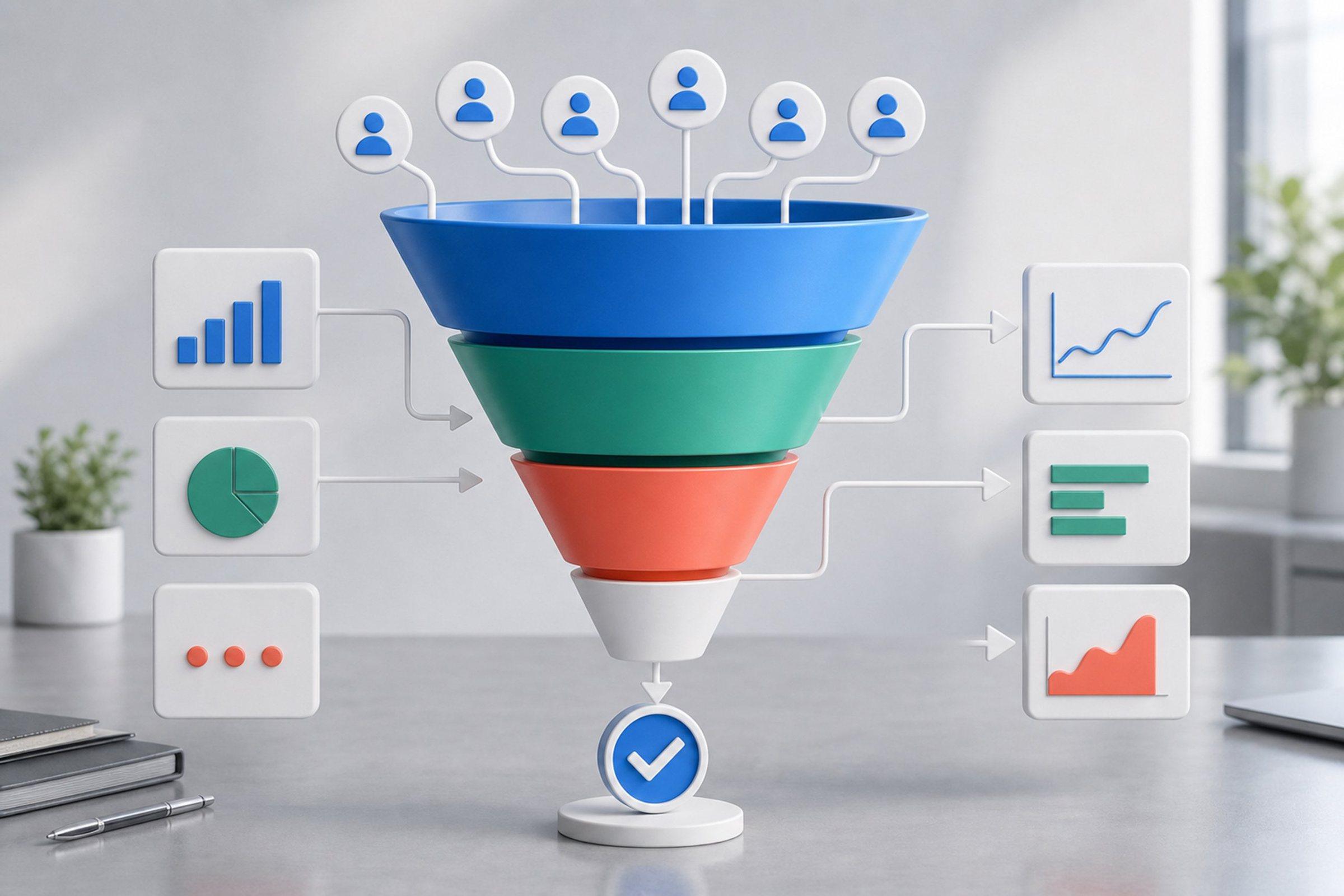
Map the people at one account before you write a word. For a device sold to hospitals, the clinician who will use it cares about outcomes, technique and the evidence. The hospital’s value analysis committee, the group that reviews new products before they can be bought, reads for evidence and total cost. Purchasing looks at the contract and whether supply is reliable, and if you sell through distributors, their reps need material that makes the conversation easy. Each of them needs a different message built on the same proof.
When I was selling spine implants, the surgeon who loved the product was where the sale started. It closed when the hospital had what it needed to say yes.
If you are a contract manufacturer or supplier, your buyer is different again: the engineers, sourcing managers and quality teams at the OEMs that make devices. I wrote a separate guide on lead generation for medical device manufacturers.
What should come first: the message, the website or the leads?
The message. A new website or a lead campaign works only when you can say in one sentence who the device is for and why they should believe you. Without that sentence, every page and email gets rewritten by whoever touches it.
The order I recommend is the one we built into our MT-7 Framework for Growth in 2016. Research the buyers, settle the message and the claims, build the assets, turn on the channels, then measure and adjust. Jumping straight to a new logo or website is the mistake I see most often, and it is expensive to undo. If your story is the gap, start with brand and messaging. If you have a story but no plan, read my piece on building a medical device marketing strategy.
Which marketing channels work for medical device companies?
The channels your buyers already use, in the order they use them. For most device companies that starts at medical congresses and trade shows, where clinicians and distributors still meet face to face. It continues on LinkedIn, in direct outreach to named accounts, in trade press and in search. Our lead generation program ties those channels together, and my post on medical device digital marketing covers ads and outreach in detail.
Search now includes AI. Buyers ask ChatGPT, Google’s AI answers or Perplexity which companies make a certain kind of device or handle a certain process. If your company is missing from those answers, you are missing from shortlists you never hear about. I explain how to fix that in MedTech SEO. You can check whether AI tools name your company at no cost.
Trade shows pay off when the outreach starts weeks before the booth goes up, so the meetings are booked before you arrive. We plan trade shows that way.
How do you market a new medical device?
Prepare before clearance and promote after it. The FDA does not allow a device to be sold, or promoted as safe and effective, before it is cleared or approved. You can still use that time to build your list of target accounts, settle the message, line up the clinicians who will speak for the device and get launch material through review, so it is ready the day clearance comes through.
At launch, the clearance is your news. Announce it, put the cleared indications on your website in plain words, give your reps and distributors the same story, and book meetings at the next congress. Then plan the year that follows, because a launch is a starting line. Our product launch work follows that sequence.
How do you measure medical device marketing?
Count conversations with the right people, then the opportunities they turn into. Clicks and email opens tell you very little when a handful of accounts decide your year. I ask clients to name their target accounts, and we report on how many we reached, how many replied and which ones turned into meetings or evaluations.
Give it time. Device sales cycles are long, and a campaign that starts in January may show up in a purchasing decision much later. Set the review dates before you start, so nobody judges a long cycle on one month of data.
If you want a second opinion on where your marketing stands, book a strategy call. It takes 30 minutes, costs nothing, and I will tell you what I would do first in your place.
Questions device CEOs ask me
Can we market a medical device before FDA clearance?
You cannot sell it, or promote it as safe and effective, before it is cleared or approved. You can prepare: research your buyers, settle the message, build your target account list and get launch material through review, so it goes out the day clearance comes through.
Do we need an agency that specializes in medical devices?
Not for everything. For anything that makes claims, reaches clinicians or hospital buyers, or has to pass regulatory review, a team that already knows the rules saves you rounds of rework. I wrote a separate guide on how to choose one.
How long does medical device marketing take to show results?
It depends on your sales cycle. Conversations with target accounts can start in the first months. Hospital purchasing decisions often take much longer, so agree on what you will measure at each stage before you start.
Where to go from here
I spent 14 years on the OEM side, launching and building two MedTech companies, before I started MedTech Momentum in Orlando in 2014.