Medical device digital marketing: ads reach the searchers, outreach reaches everyone else
Most of the people you need are not searching for you today. Here is how search ads, LinkedIn and email work together to reach both groups, and the rules that apply to each.
- Topic
- Lead generation
- Written by
 Guillaume Viallaneix
Founder and President, MedTech Momentum- Revision history
- APublishedBRewritten and updated
- Reading time
- 6 minutes
- Share

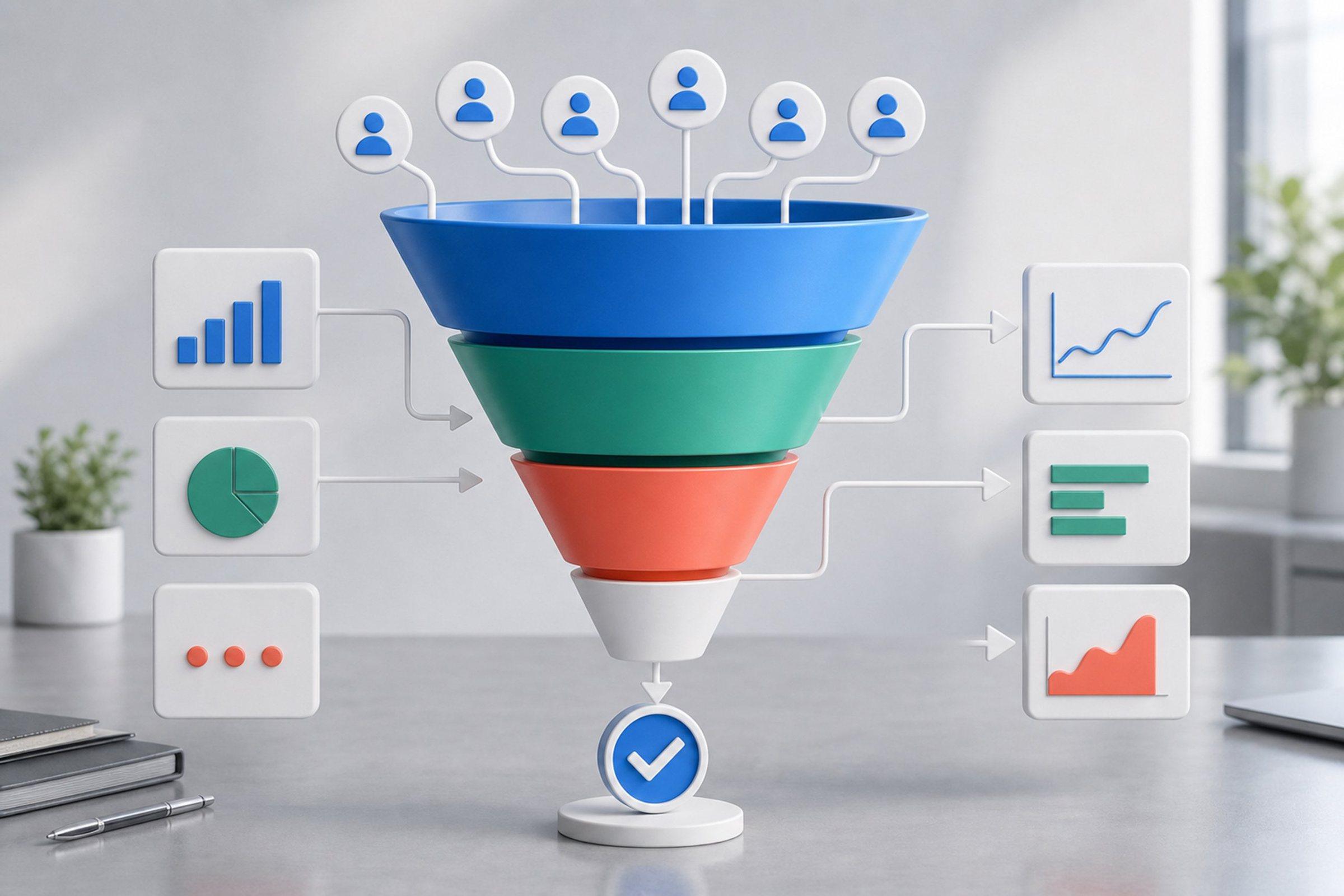
Medical device digital marketing uses online channels to reach the people who buy, use or approve your device. Search ads reach the small group already looking for what you make. LinkedIn ads and direct outreach by email and LinkedIn reach the much larger group at your target accounts who are not looking yet. All of it should point to pages that turn a visit into a conversation, and all of it follows the same claim rules as your brochure.
This post combines two pieces I wrote in 2024, one on Google and LinkedIn ads and one on email and LinkedIn outreach. They work best as one program, so they now live in one place.
When do Google ads make sense for a medical device company?
When people search for what you make. Search ads appear for the terms you choose, so they reach buyers at the moment they are looking. They work well for products and services with clear search terms, and for testing which terms turn into inquiries before you invest in SEO. Send each ad to a page written for that search, never to your home page, and measure the inquiries it produces.
Check the platform rules before you plan. Google limits ads for some healthcare products, and approvals can take time, so leave room in the schedule.
How do LinkedIn ads reach device buyers?
LinkedIn lets you target by job title, function, seniority, company and industry, and you can upload a list of the accounts you want to reach. That makes it useful for the people who will never search for you: the sourcing director at an OEM, the head of a hospital’s value analysis committee, the VP of operations at a distributor. Use LinkedIn ads to put your message and proof in front of them repeatedly, so your outreach arrives from a name they have seen.
How should you run email and LinkedIn outreach?
Start with your target accounts and find the right roles at each one, using a B2B contact database such as Apollo and your own CRM and trade show contacts. Verify every contact. Then send small, tailored batches that reference something specific to that company, and follow up on LinkedIn with a connection request that says why you are reaching out. Tools can help schedule and personalize, but a person should read what goes out under your name.
Business email has rules. The FTC’s CAN SPAM compliance guide says the law “makes no exception” for business to business email. Each message needs an honest sender and subject line, your postal address and a working way to opt out, and opt outs have to be honored within 10 business days.
What should the page behind the ad do?
Every ad and every outreach email sends people somewhere, and that page decides whether the click becomes a conversation. Write it for the person who clicked: the same words they searched or read in your message, the problem you solve for them and the proof behind it. Give them one clear next step, such as booking a call, requesting a sample or downloading a technical sheet, and keep the form short. A page built this way also gives you clean numbers, because every inquiry it produces traces back to the campaign that sent the visitor.
What rules apply to medical device advertising?
The same rules as every other piece of your marketing. Ads can promote your device only for its cleared or approved uses, and every health claim needs evidence behind it. A short ad has less room for context, so keep its claims simple and point to a page where the full information sits. Bring your regulatory team in before the campaign is built.
How do you measure medical device digital marketing?
Measure conversations with the right accounts. Cost per click and open rates help you tune a campaign, but they do not tell you whether it is working. Track replies, meetings and evaluations by account, and look at which channels touched each one. We built our LG6 lead generation program in 2020 around that kind of reporting, and it combines the channels in this post. You can see how it works on our lead generation page.
If you sell to OEMs as a manufacturer, the same channels apply with a different audience. I cover that in lead generation for medical device manufacturers.
Questions I get about digital campaigns
Should we start with ads or with outreach?
Start with outreach if you can name your target accounts. Add search ads if buyers search for what you make. LinkedIn ads work best alongside outreach, so the people you contact have already seen your name.
Is cold email legal for B2B in the US?
Commercial email to businesses is covered by the CAN SPAM Act. It is allowed when you follow its rules: honest sender and subject line, a postal address and an opt out you honor within 10 business days.
How much should we spend on digital ads?
Start small on one channel and one audience, measure what it produces, then scale what works. Set the budget from the plan and the number of accounts you need to reach.
Where to go from here
I spent 14 years on the OEM side, launching and building two MedTech companies, before I started MedTech Momentum in Orlando in 2014.